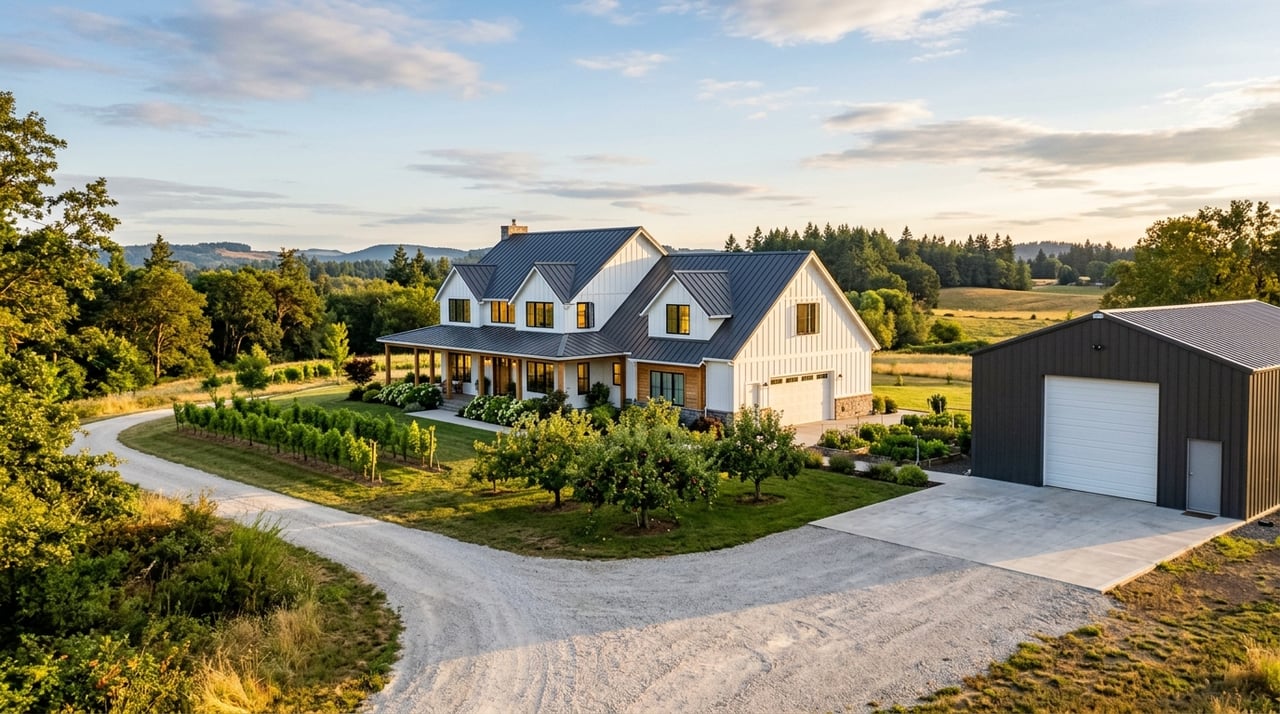
Dreaming about more space in Naramata? Buying acreage here can open the door to lake views, vines, orchards, a workshop, or simply a quieter rural lifestyle. It can also come with more moving parts than a typical residential purchase, so knowing what to check early can save you time, money, and stress. If you are considering acreage in Naramata Rural, this guide will help you understand the land, the rules, and the due diligence that matter most. Let’s dive in.
Naramata Rural Is Not One Property Type
One of the biggest surprises for buyers is that Naramata Rural is not a single, uniform acreage market. The area sits within Electoral Area E of the Regional District of Okanagan-Similkameen, where the current Official Community Plan describes a rural area made up of the village, surrounding farmland, and smaller residential neighbourhoods.
That matters because two properties with similar views or similar lot sizes can function very differently. Planning rules, access, water servicing, septic systems, topography, and agricultural protection all shape what you can realistically do with a parcel.
The current planning framework also includes a Growth Containment Boundary to align development with Naramata’s role as a rural growth area. For you as a buyer, that is a reminder to look beyond the home and focus on how the land fits within the broader rural planning context.
Acreage Sizes You May See
In the Official Community Plan, the clearest acreage-style categories are Large Holdings and Small Holdings.
Large Holdings in Naramata
Large Holdings typically range from 4.0 hectares to 8.0 hectares. These parcels are associated with acreages, hobby farms, limited agriculture, ranching, grazing, and similar rural uses.
If you are looking for a property with room for agricultural activity, equipment, or a more private rural setting, this is often the scale buyers have in mind. Still, the exact permitted use depends on zoning, land reserve status, and servicing.
Small Holdings in Naramata
Small Holdings generally range from 0.2 hectares to 2.0 hectares. These parcels are tied more closely to rural residential use, part-time farming, limited agriculture, home industry, and related rural uses.
For many buyers, this size can offer a nice middle ground. You may get extra space, privacy, and flexibility without taking on the scale of a larger farm-style property.
Hillside and Fringe Parcels
Naramata also includes smaller hillside residential pockets that do not always fit the classic acreage picture. The Indian Rock area, for example, is described as having about 25 residential parcels ranging from 0.3 to 0.5 hectares, while Falcon Ridge averages 4.2 hectares and is noted as relatively rugged.
That range tells you something important. In Naramata, “rural” can mean anything from a compact fringe lot to a substantial acreage with more demanding terrain and servicing considerations.
Zoning Can Change Everything
Before you get too attached to a property, confirm its zoning and Official Community Plan designation. The Okanagan Valley Zoning Bylaw for Electoral Area E includes agricultural, large-holdings, small-holdings, and residential districts.
This is why two parcels that look nearly identical from the road may allow very different uses. One may be better suited to rural residential living, while another may come with agricultural expectations or different limitations on buildings and uses.
If you are picturing a vineyard, a shop, a second dwelling, or a home-based rural use, this step is essential. In Naramata Rural, the land-use framework is often just as important as the house itself.
Common Acreage Uses in Naramata
Naramata has a strong agricultural identity, especially around tree fruit and grape production. The Official Community Plan notes a shift toward vineyards and wineries and supports uses such as farming, orchards, vineyards, ranching, and some value-added activities like agritourism, secondary processing, and compatible home occupations or home industry.
For buyers, that means hobby-farm and vineyard-style properties can be realistic options. A home with land for limited agriculture or a house-plus-shop setup may also make sense, but only when zoning, Agricultural Land Reserve status, and servicing all align.
The same plan also says it will generally not support applications that fragment farm, vineyard, or orchard units or create homesite parcels. So if your long-term idea involves splitting land or changing the parcel configuration, that deserves very careful review.
Terrain Matters More Than You Might Expect
A pretty view does not always mean an easy property. Naramata is shaped by benches overlooking Okanagan Lake, hillside development east of the Agricultural Land Reserve, and some steep or rugged terrain in certain areas.
Hillside properties can be beautiful, but they can also raise practical questions around driveways, access, drainage, building placement, and ongoing maintenance. The community has flagged concerns tied to drainage, viewscapes, and traffic in hillside subdivision areas, and the Official Community Plan notes continued interest in hillside development regulation and wildfire mitigation.
When you tour acreage, try to see beyond the scenery. Think about how you would use the land in all seasons, how you would access it year-round, and how slope might affect future plans.
Water and Septic Are Core Due Diligence Items
In Naramata Rural, servicing is one of the biggest differences between an acreage purchase and a standard in-town home purchase. Most residential properties are served by the Naramata Community Water system, while sewer service is commonly individual septic or privately held onsite sewage systems.
The RDOS 2023 water report says the Naramata system supplies about 900 domestic connections, 255 irrigation connections, and 20 commercial connections, with Okanagan Lake as the source and UV plus chlorination treatment. If you want a property with agricultural potential, it is smart to confirm both domestic water service and any irrigation connection early in the process.
Interior Health states that buildings with indoor plumbing need a compliant sewerage system, and an authorized person must design, install, repair, and document it. For acreage buyers, that makes septic records, system condition, and site suitability very important parts of due diligence.
ALR Status Deserves Special Attention
Many acreage buyers in Naramata are drawn to agricultural land, but Agricultural Land Reserve rules can directly affect how you use a property. The Agricultural Land Commission says most ALR parcels may have no more than one residence unless an additional residence is permitted, and local governments can be more restrictive.
The ALC also notes that short-term rental use in the ALR is limited and still subject to local bylaws and other approvals. If you are considering a second dwelling, suite, shop use, agritourism component, or rental idea, you will want to verify what is actually allowed before writing an offer.
ALR land can be an excellent fit for the right buyer, but it is not the place to assume flexibility. In this part of the South Okanagan, preserving the size, integrity, and continuity of farmland is a clear planning priority.
Subdivision and Future Plans Need Realistic Review
Some buyers look at acreage with future change in mind. You may wonder whether a parcel could be subdivided later, support redevelopment, or offer room for another phase of use.
In Naramata Rural, RDOS subdivision review considers factors such as minimum parcel size, frontage, usable area, community sewer, community water, fire protection, road access, stormwater management, and electrical street lighting. That means a property that works well for lifestyle use today may still fall short if your future goal is subdivision or redevelopment.
This is one area where local guidance really matters. A strong buying strategy is not just about finding the right view or house. It is about matching your vision to what the parcel can realistically support.
Environmental and Hazard Areas Can Affect Timing
Some Naramata properties fall under environmental or hazard-related rules that can influence where you build and how long approvals may take. The Official Community Plan identifies Environmentally Sensitive and Watercourse Development Permit Areas, and it says fire-hazard risk assessments may be required in higher-risk areas.
The plan also identifies four community watersheds in Electoral Area E: Robinson, Chute, Naramata, and Penticton. If a parcel touches a watercourse, sits in a watershed, or falls within a sensitive area, your building plans or permit process may be more involved.
This does not automatically make a property a poor choice. It simply means that land purchase decisions in Naramata often require a more complete review before you move ahead.
Questions to Ask Before You Offer
When you are buying acreage in Naramata Rural, a focused due diligence checklist can make all the difference. Here are some of the most important questions to answer early:
- What is the exact zoning and Official Community Plan designation?
- Is the property in the Agricultural Land Reserve?
- Are your intended uses actually permitted on this parcel?
- Is water supplied by the community system, irrigation connection, or a private source?
- What records exist for the septic or onsite sewerage system?
- Is road access legal, practical, and safe year-round?
- Does the property fall within a watershed, watercourse area, environmentally sensitive area, or wildfire hazard area?
These questions may sound technical, but they protect you from surprises. On rural land, small details can have a big impact on value, usability, and peace of mind.
Why Local Guidance Helps on Acreage Purchases
Buying acreage in Naramata is often equal parts lifestyle decision and land evaluation. You are not just buying a house. You are buying a mix of topography, servicing, land-use permissions, access, and future potential.
That is why local insight matters so much. A guided approach can help you compare parcels more clearly, ask smarter questions early, and avoid wasting time on properties that do not match your goals.
If you are considering acreage in Naramata Rural and want practical guidance tailored to your plans, Teresa Braam can help you evaluate the details that matter and navigate the process with clarity.
FAQs
What counts as acreage in Naramata Rural?
- In Naramata Rural, acreage can mean a wide range of parcel sizes. The Official Community Plan describes Small Holdings as 0.2 to 2.0 hectares and Large Holdings as 4.0 to 8.0 hectares, with some hillside areas also offering smaller or more rugged rural-style parcels.
Why is zoning important when buying acreage in Naramata?
- Zoning matters because parcels that look similar may allow very different uses. In Electoral Area E, districts include agricultural, large-holdings, small-holdings, and residential zones, so you should confirm permitted uses before making plans.
Are most Naramata acreage properties on septic?
- Many are. The Official Community Plan says most residential properties are served by the Naramata Community Water system, while sewer service is commonly individual septic or privately held onsite sewage systems.
Can you have more than one residence on ALR land in Naramata?
- Not automatically. The Agricultural Land Commission says most ALR parcels may have no more than one residence unless an additional residence is permitted, and local governments may be more restrictive.
What should buyers check first on a Naramata rural property?
- Start with zoning, Official Community Plan designation, ALR status, water source, irrigation connection, septic records, legal road access, and any environmental or wildfire-related constraints that could affect use or permits.