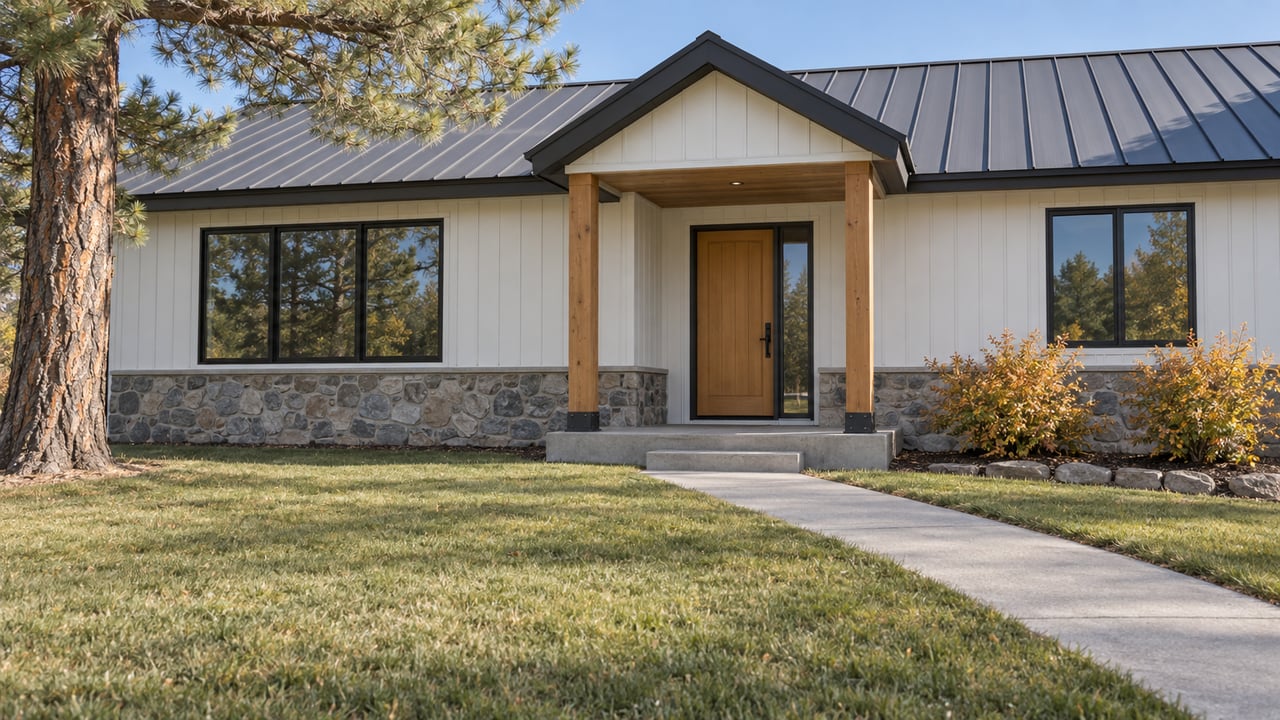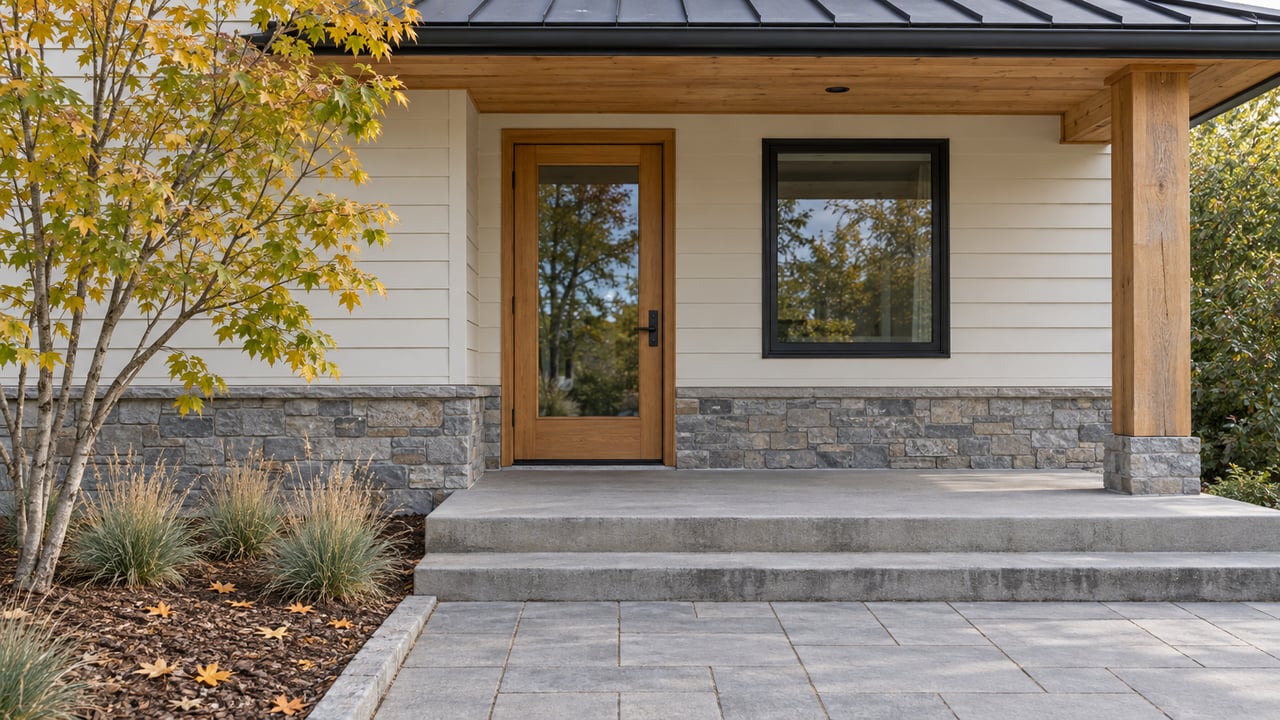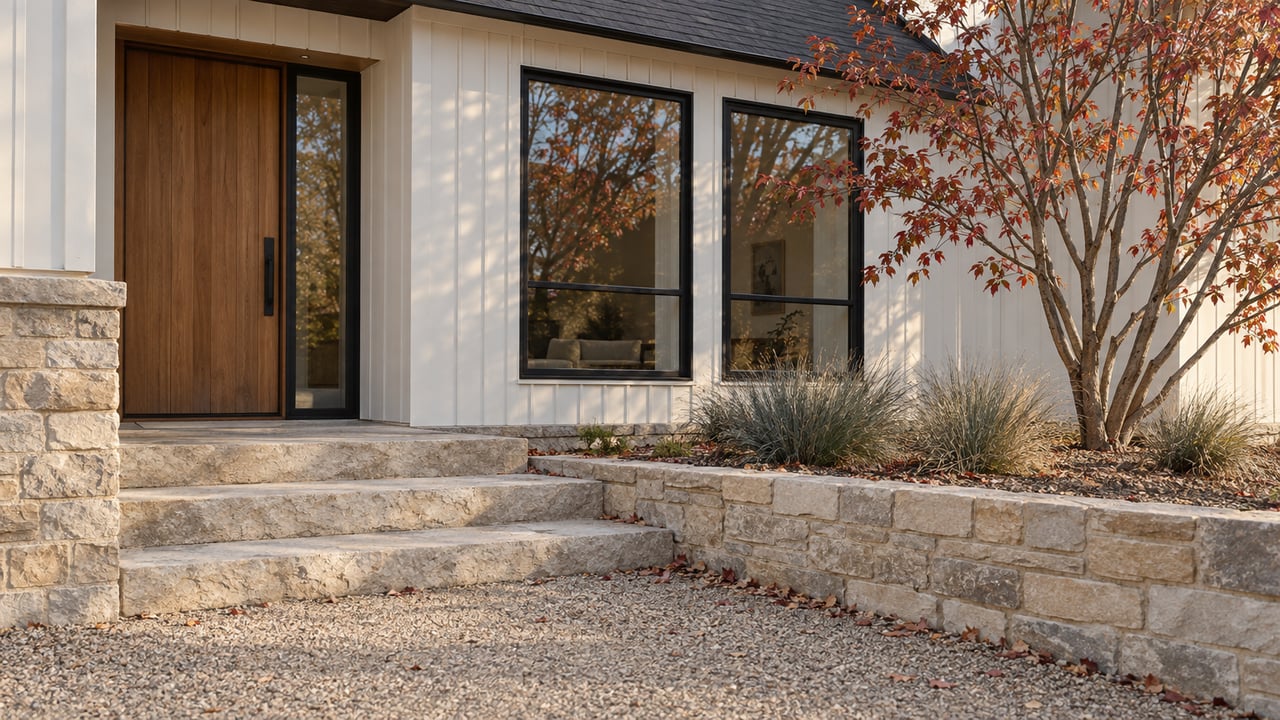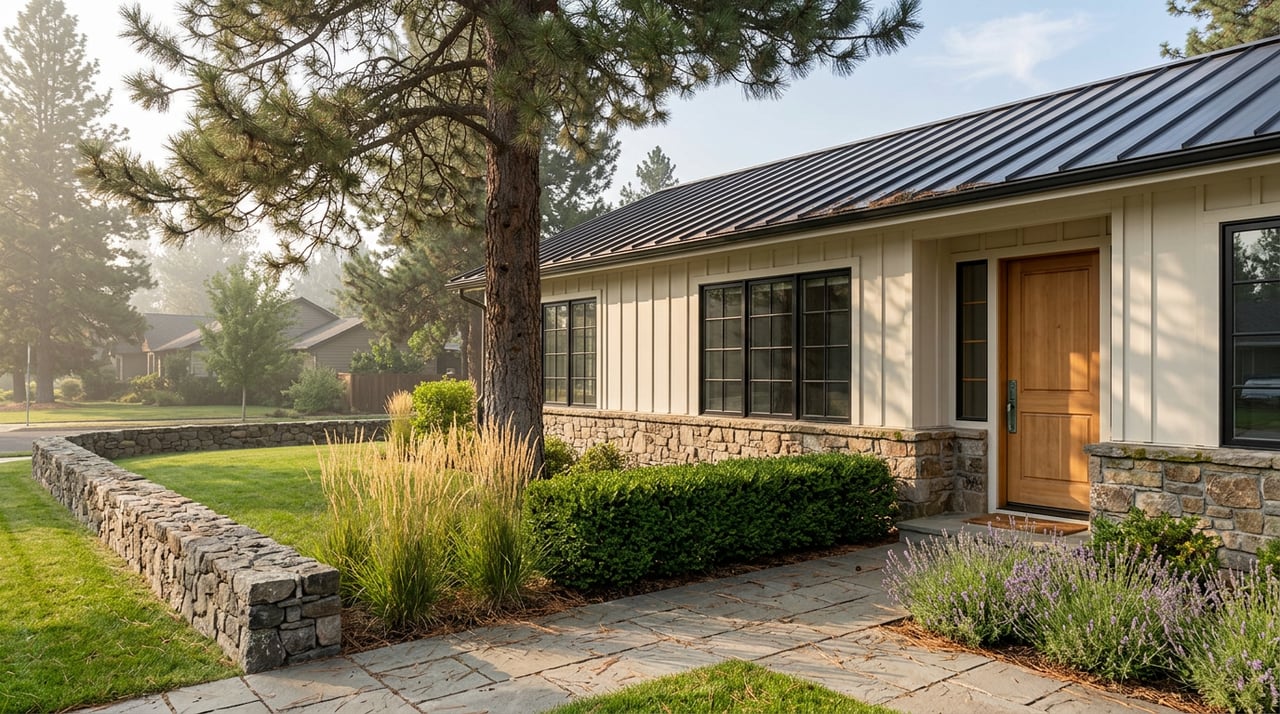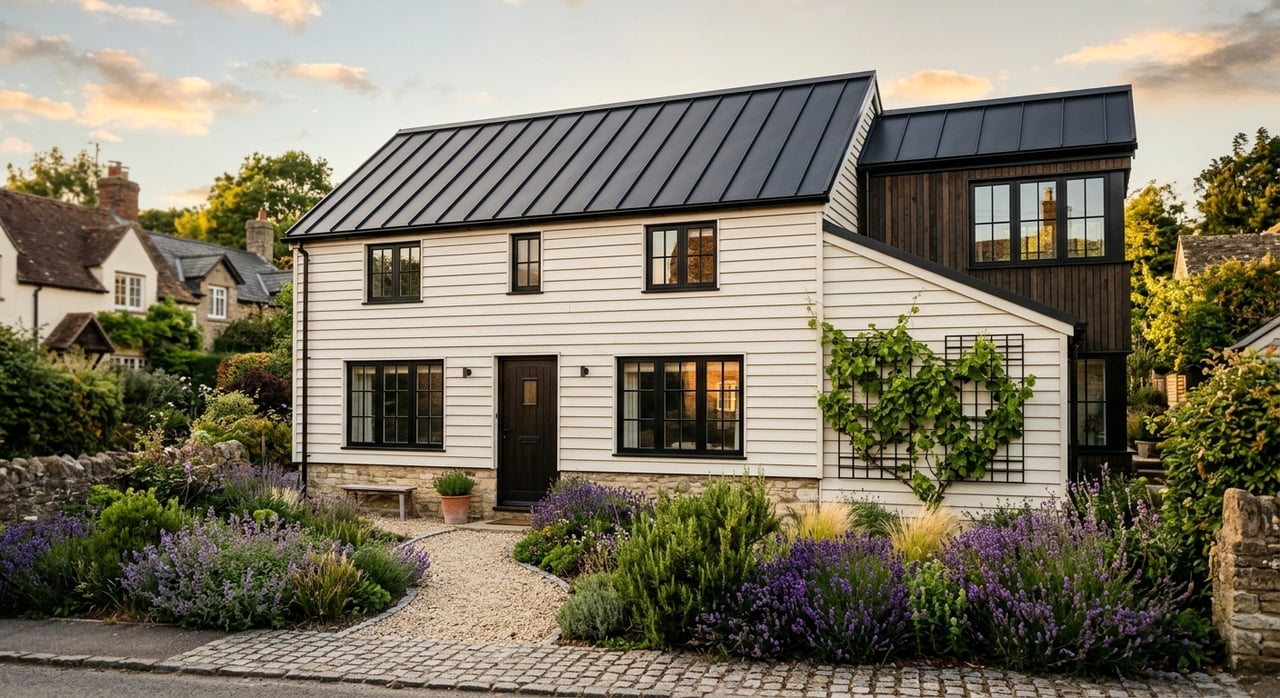
Are you drawn to the storybook charm of a village cottage, or does a newer home with a more turnkey feel sound like the better fit? In Naramata, that choice is especially meaningful because this is not a large, interchangeable housing market. You are often weighing character, setting, upkeep, and long-term lifestyle all at once. This guide will help you compare Naramata village cottages and modern homes so you can focus on what suits your goals best. Let’s dive in.
Why Naramata Feels Different
Naramata is a compact community with a distinct village core and a housing mix that feels very local. According to the RDOS Official Community Plan, Lower Naramata is the historic townsite, founded in 1907, with older 30 by 100 foot parcels, minimal street lighting, and no sidewalks. That historic layout still shapes how the village looks and feels today.
The housing stock is also relatively small. The 2021 Census profile for Naramata’s population centre reported 1,012 people, 505 total private dwellings, and 444 occupied dwellings. Single-detached homes dominate the market at 89.9% of occupied dwellings, which means most buyers are comparing one detached home style against another rather than choosing from a wide range of attached housing options.
That matters when you start comparing cottages and modern homes. In Naramata, your decision is often less about broad product categories and more about how a specific property fits the village setting, your maintenance comfort level, and the kind of daily life you want.
What “Village Cottage” Usually Means
In Naramata, the term “village cottage” is more of a lifestyle description than an official housing category. Statistics Canada tracks homes by structure type and period of construction, not labels like cottage or character home. It also counts the original completion date of the home, not the date of later renovations or additions.
That distinction matters here. A beautifully updated older home may still be part of Naramata’s older housing stock, even if the kitchen, windows, or layout feel more current. When you hear “cottage” in this market, it often points to smaller scale, mature landscaping, older lot patterns, and a close connection to the historic Lower Naramata streetscape.
The age mix supports that story. In the 2021 Census, 12.2% of occupied dwellings were built in 1960 or earlier, 27.8% were built from 1961 to 1980, and 17.8% were built from 1981 to 1990. That means a large share of homes in Naramata were built before 1991, which helps explain why older homes remain such a visible part of the village identity.
What buyers often love about cottages
Older village cottages often appeal to buyers who care more about feel than sheer size. The charm usually comes from the setting, the lot pattern, and the sense of living in a historic village core.
Common draws include:
- Smaller-scale homes with a cozy footprint
- Established landscaping and mature surroundings
- A location tied closely to the village centre
- Distinct character that can feel less standardized than newer construction
- Renovation potential for buyers with vision
For many buyers, that atmosphere is the main reason to look in Lower Naramata in the first place.
What Modern Homes Offer
Modern homes in Naramata can include newer infill single-detached homes, as well as townhome or other mixed-density forms that local planning policy supports in the village-centre area. The RDOS Official Community Plan directs new residential growth to serviced areas and supports infill and densification in Lower Naramata. Current zoning in the Naramata Village Centre zone also permits apartment buildings and townhouses as principal uses.
In practical terms, that means newer housing is part of Naramata’s future, even in a community known for older detached homes. A recent RDOS rezoning report for former Naramata Centre lands also showed new lots proposed for single-detached dwellings, with the project described as a way to bring more homes to Naramata while fitting the surrounding context.
For buyers, modern homes usually offer a different kind of value. Instead of leaning on nostalgia or historic streetscape, they tend to compete on layout, efficiency, and a more current standard of finish.
What buyers often like about modern homes
If you want a more turnkey experience, a newer home may feel easier to manage. These properties often appeal to buyers who want less immediate renovation planning and a layout that fits current living patterns.
Common advantages include:
- More contemporary floor plans
- Newer materials and systems
- Less uncertainty around inherited updates from past owners
- Potentially simpler maintenance planning in the near term
- A cleaner fit for buyers who prefer modern design
For some buyers, that convenience outweighs the emotional pull of an older cottage.
The Middle Ground: Updated Character Homes
In many cases, the best fit is somewhere between the two extremes. Naramata has plenty of homes that carry older village character but have been updated over time for more comfortable full-time living.
This category makes sense in the local context. The RDOS Official Community Plan encourages conservation and recognition of heritage resources, but it also notes there are currently no sites on the RDOS Community Heritage Register in Electoral Area E. In other words, much of Naramata’s character comes from the broader streetscape, lot pattern, and home form rather than formal heritage designation.
For buyers, updated character homes can offer a balanced option. You may get the appeal of an established village setting with a more functional kitchen, improved interiors, or additions that better support modern day-to-day living.
Maintenance Is About More Than Age
One of the biggest misconceptions in Naramata is that the choice is simply old versus new. In reality, maintenance and ownership experience are also shaped by location and servicing.
The RDOS Official Community Plan highlights a real divide between Lower Naramata and hillside properties in Upper Naramata. Upper Naramata properties are commonly served by community water along with individual septic systems or privately held strata onsite sewage systems. The same plan also notes concerns related to drainage, traffic, damaged viewscapes, and wildfire risk on the hillsides.
Lower Naramata has a different servicing profile. The OCP says new development on parcels under 1 hectare should connect to community water and community sanitary sewer, and it supports community sewer expansion in West Naramata to help prevent contamination of Okanagan Lake and support higher densities.
That servicing context matters whether you are buying an older cottage or a newer home. A charming property may have a great location, but you still want to understand how water, sewer, drainage, and site conditions affect ownership.
What the condition data suggests
The 2021 Census reported that 93.3% of occupied dwellings in Naramata needed only regular maintenance or minor repairs, while 6.7% needed major repairs. That is a useful reminder that many homes are in workable condition, but older properties still deserve careful due diligence.
If you are considering a cottage or character home, inspections and repair budgeting become especially important. Updates completed over time can add value and comfort, but they can also create a patchwork of systems, materials, and workmanship that you will want to understand clearly before writing an offer.
Lifestyle Fit Matters Most
In a market as small as Naramata, resale is often tied closely to buyer fit. This is a heavily owner-occupied community, with 84.4% of occupied dwellings reported as owner occupied in the 2021 Census. That ownership pattern helps reinforce the sense that people often choose Naramata for a specific kind of lifestyle, not just for a house itself.
If you are drawn to a cottage, you may value village character, older lots, and the feeling of living in a place with a visible story. If you are drawn to a modern home, you may care more about convenience, cleaner design lines, and a more predictable ownership experience.
Neither choice is automatically better. The right choice depends on how you want to live, how much work you are comfortable taking on, and whether you see yourself as a steward of character, a buyer seeking low-fuss comfort, or someone looking for a blend of both.
Questions to Ask Before You Buy
No matter which style you prefer, it helps to ask the right questions early. In Naramata, local context can shape a property more than buyers first expect.
Here are a few smart things to verify:
- The home’s original construction date
- The renovation history and scope of updates
- Whether the property is connected to community water and sewer or uses other servicing
- Applicable zoning and permitted uses
- Whether the parcel falls within an area that may trigger development permit or design requirements
- Site-specific considerations such as drainage or hillside constraints
These checks are especially helpful in a village where older homes, infill opportunities, and changing planning directions all exist side by side.
How to Decide Between Cottage and Modern
If you are still weighing both options, start by thinking about your priorities in plain terms. Are you buying for atmosphere, ease, flexibility, or future vision?
A village cottage may be the stronger fit if you want charm, established surroundings, and a home with personality. A modern home may suit you better if you want a more current layout, fewer immediate projects, and a simpler move-in process. An updated character home may offer the best of both if you want village feel without giving up as much day-to-day comfort.
In Naramata, the most successful purchases usually happen when the property matches both your lifestyle and your tolerance for maintenance, servicing complexity, and future planning. That is where local guidance can make a real difference.
If you are comparing homes in Naramata and want clear, thoughtful advice on how a property fits your goals, Teresa Braam can help you evaluate the details with a local, design-aware perspective.
FAQs
What is the difference between a Naramata village cottage and a modern home?
- In Naramata, a village cottage usually refers to an older home in the historic Lower Naramata setting, while a modern home typically refers to newer infill or more recently built housing that offers a more current layout and finishes.
Are there many newer homes in Naramata?
- Naramata remains dominated by detached homes, but RDOS planning policy and village-centre zoning support infill and mixed-density housing, including townhouses and apartment buildings in appropriate areas.
Do older homes in Naramata always need major repairs?
- No. The 2021 Census reported that 93.3% of occupied dwellings needed only regular maintenance or minor repairs, but older homes still deserve careful inspections and repair planning.
Is servicing important when buying a home in Naramata?
- Yes. Servicing is an important part of the decision because properties may differ in water, sewer, septic, drainage, and hillside considerations depending on where they are located.
Are updated character homes common in Naramata?
- Updated character homes are a practical middle-ground option in Naramata because many older homes have been improved over time while still keeping their connection to the village setting.
What should buyers verify before making an offer on a Naramata home?
- Buyers should confirm the original construction date, renovation history, servicing, zoning, and whether the property is in an area with development permit or other design-related requirements.